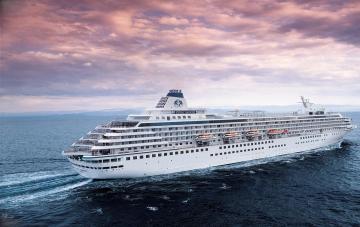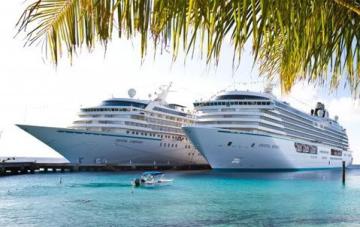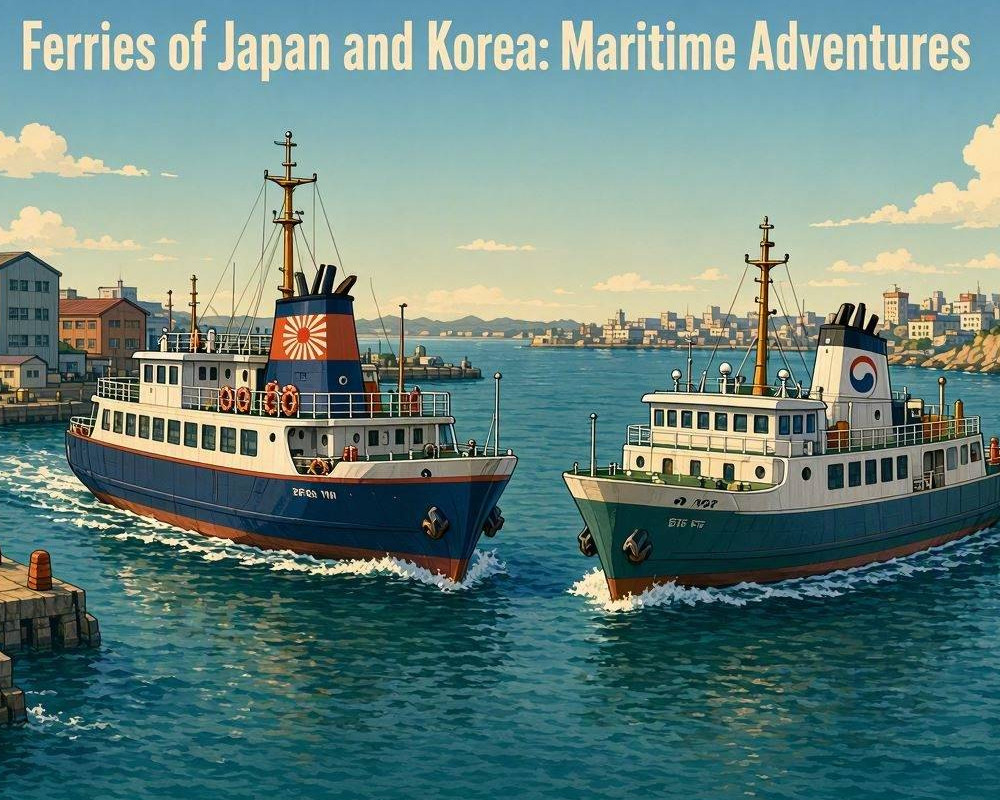
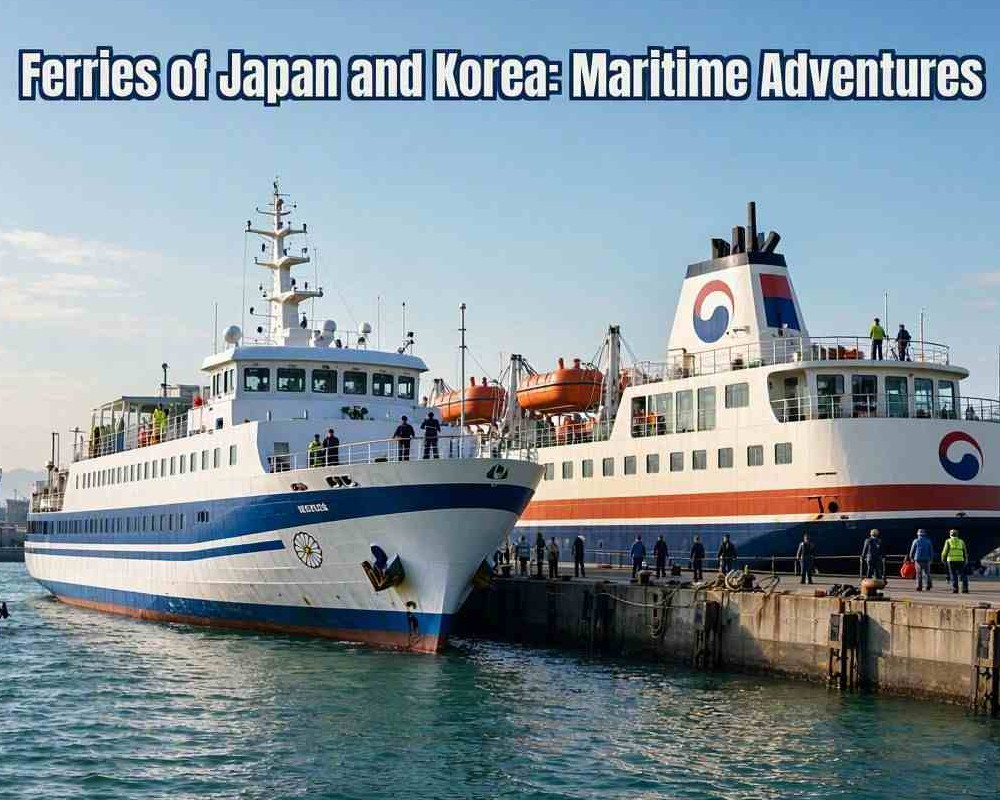
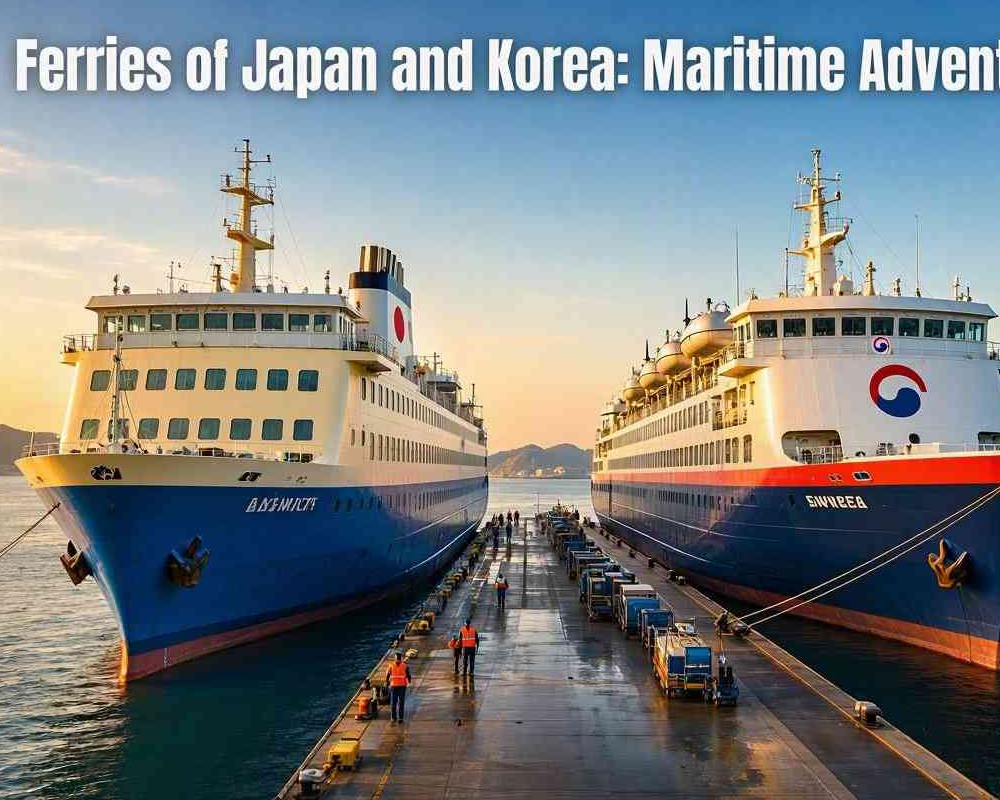
Ferries offer one of the most rewarding ways to explore Japan and South Korea. Instead of rushing between airports, travelers can watch islands pass, enjoy coastal sunsets, and arrive close to major cities, ports, and regional attractions. The ferry networks of both countries range from short passenger crossings to overnight voyages with restaurants, cabins, baths, and vehicle decks.
Traveling by sea is especially useful for visitors carrying bicycles, driving rental vehicles, or planning journeys beyond the standard tourist route. It can also turn transportation into a memorable part of an Asian maritime adventure.
International Ferries Between Japan and Korea
The Korea Strait separates the two countries, but established sea routes connect important ports. Services can change because of seasonal demand, maintenance, weather, or operator decisions, so passengers should confirm current timetables before arranging hotels and rail connections.
Busan to Fukuoka
Busan and Fukuoka are natural gateways for a two-country itinerary. Conventional overnight or daytime ferry services generally connect Busan with Hakata Port in Fukuoka. The route is convenient for travelers who want to combine southern Korea with Kyushu, where attractions include Dazaifu, Nagasaki, Beppu, and Mount Aso.
Hakata Port is linked to central Fukuoka by local buses and taxis. In Busan, the international passenger terminal is close to Busan Station, making onward travel by high-speed KTX trains relatively simple.
Busan to Shimonoseki and Osaka
Overnight ferries traditionally connect Busan with Shimonoseki, located at the western edge of Honshu. This crossing works well for reaching Hiroshima, Yamaguchi, or northern Kyushu. Some services also link Busan with the Osaka region, creating a slower but scenic alternative to flying into Kansai.
International passengers should arrive well before departure. Check-in, immigration, customs procedures, and baggage rules require additional time. A passport and any necessary visa or entry authorization must remain accessible rather than packed inside checked luggage.
Exploring Japan by Domestic Ferry
Japan is an island nation with an extensive domestic ferry system. Long-distance routes connect Honshu, Hokkaido, Shikoku, and Kyushu, while smaller vessels serve remote islands that cannot be reached by train.
Long-Distance Overnight Routes
Popular corridors include Osaka or Kobe to northern Kyushu, Honshu to Hokkaido, and Tokyo to Tokushima and Kitakyushu. Overnight sailings can reduce the need for a hotel and often provide several accommodation categories:
- Shared carpeted sleeping areas
- Capsule-style berths or bunk rooms
- Private Western or Japanese-style cabins
- Premium suites with private bathrooms
Popular articles
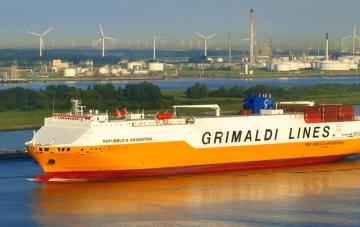
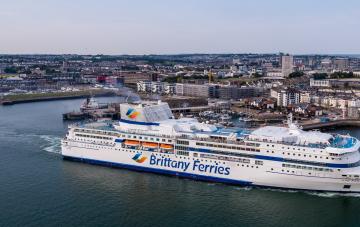
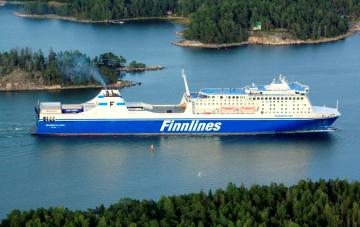
Many large Japanese ferries resemble compact cruise ships. Facilities may include public baths, observation lounges, vending machines, restaurants, shops, game areas, and open decks. Amenities vary considerably, so travelers should compare the vessel itself rather than judging a route by travel time alone.
Island Ferries
Shorter ferries provide access to destinations such as Miyajima, Naoshima, Yakushima, the Seto Inland Sea islands, and communities around Okinawa. Advance reservations are advisable during national holidays, summer vacation, and major art festivals. Weather can disrupt exposed routes, particularly during typhoon season.
Ferry Travel Within South Korea
South Korea operates coastal services from ports including Busan, Incheon, Mokpo, Wando, and Yeosu. Jeju is the best-known ferry destination, with routes carrying both passengers and vehicles from several mainland terminals. Ferries also serve smaller islands where beaches, walking trails, fishing villages, and local seafood create a quieter alternative to urban tourism.
Journey times to Jeju differ significantly by departure port and vessel type. Travelers prone to seasickness should examine the route length, weather forecast, and ship size before booking.
Booking and Practical Advice
Reservations and Check-In
Some operator websites have limited English support. Tickets may be available through official booking pages, port offices, travel agencies, or regional reservation platforms. Names must match passports exactly for international journeys.
- Verify the operating date and departure terminal.
- Confirm check-in deadlines for passengers and vehicles.
- Review cabin type, baggage limits, and cancellation terms.
- Carry food if the vessel has limited dining hours.
- Keep medication, chargers, and travel documents in hand luggage.
Vehicles, Bicycles, and Comfort
Vehicle reservations usually require dimensions, registration details, and an additional fare. Rental companies may prohibit taking cars across borders or onto certain islands. Cyclists should ask whether bicycles travel assembled, secured on a vehicle deck, or packed as luggage.
Even in warm weather, outdoor decks can be windy. Bring a light jacket, comfortable footwear, and seasickness medication if needed. Cabins near engines or public areas may be noisier, while central cabins on lower decks can feel more stable in rough water.
A Journey Worth Taking Slowly
Ferries in Japan and Korea combine practical transport with views that aircraft and high-speed trains cannot provide. With careful route research, realistic connection times, and the right accommodation choice, travelers can experience busy international harbors, peaceful island channels, and open sea crossings as part of one distinctive Asian journey.