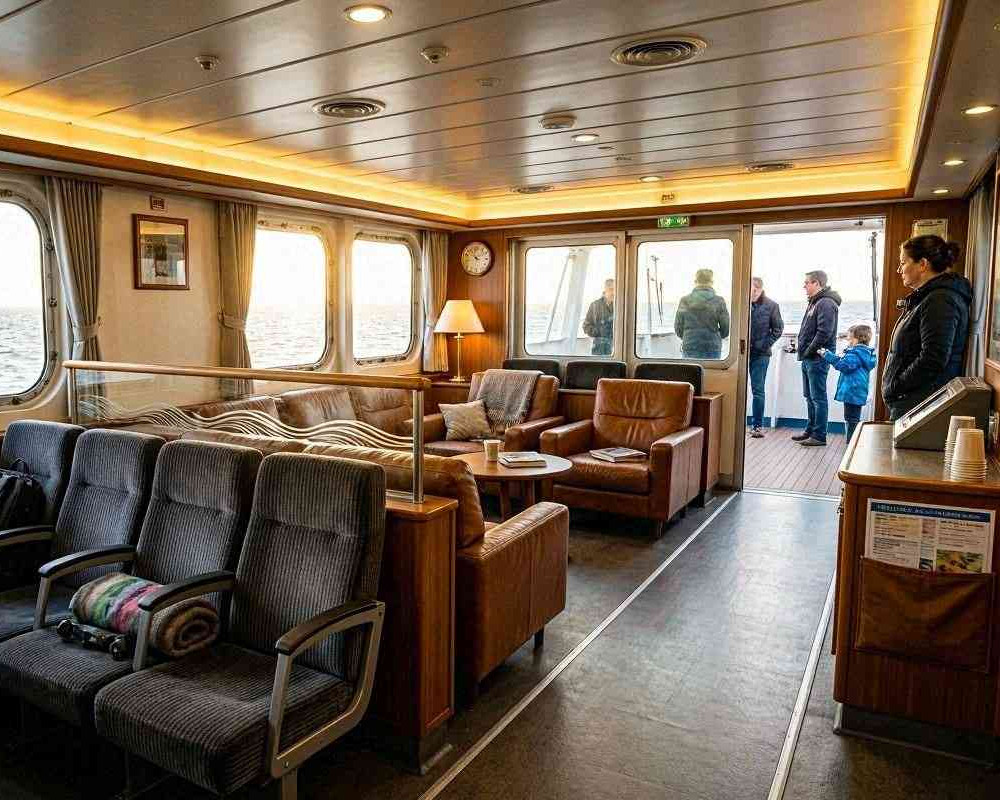
A ferry trip can be one of the most rewarding ways to travel - especially when you balance budget priorities with real comfort. Whether you are crossing a short sea route or spending a night at sea, smart choices before boarding and thoughtful decisions onboard can turn an “economy” ticket into a genuinely pleasant experience.
Choose the Right Fare Without Overpaying
The biggest myth is that comfort always costs more. In reality, ferry pricing often reflects how flexible your travel plans are, how early you book, and what amenities you truly need. Start by identifying what “comfort” means for you - and then match your ticket accordingly.
Compare cabin types, not just prices
Many routes offer several levels of accommodation, from standard seats to basic cabins and upgraded options. Before purchasing, check the cabin essentials:
- Bed layout (single or twin) and whether bedding is included
- Ventilation and noise expectations
- Private bathroom availability, if relevant to your route
- Proximity to public areas for easier or quieter access
Look for smart booking windows
To keep costs down, book during periods with fewer demand spikes - often mid-week or earlier in the season. If your travel dates are flexible, you can sometimes secure a cabin or a better deck location for a small extra amount compared with last-minute upgrades.
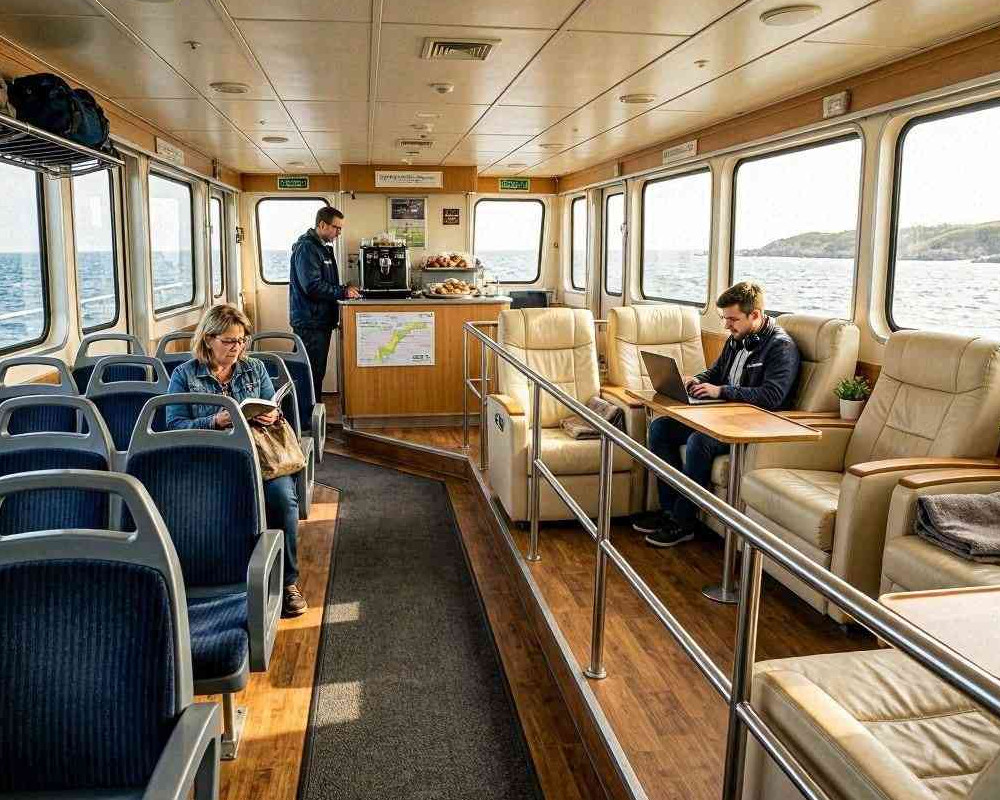
Plan Your Onboard Comfort - Even on Economy Tickets
Comfort is not only about cabins. On many ferries, you can improve the experience significantly with a few practical strategies, especially if you travel in economy classes.
Pick the best seating or lounge strategy
If your ticket does not include a cabin, consider how you will use common areas. For shorter crossings, a quiet zone and a reliable view can make the trip feel like a mini vacation. For longer journeys, aim for a balance between relaxation and rest.
- For daytime travel, choose seating with good sightlines to reduce motion discomfort.
- For overnight routes, bring earplugs and an eye mask - these often provide more value than the difference between basic and slightly better lounges.
- Use layers of clothing because indoor temperatures can swing between decks.
Pack like you are optimizing comfort per item
Efficient packing reduces stress onboard. Think in terms of high-impact items that support sleep, hygiene, and mobility.
- Small towel or travel wipes for quick freshness
- Reusable water bottle to avoid constant purchases
- A light blanket or scarf for warmth during quieter hours
- Charging cable and a portable battery for your devices

Dining and Budget - How to Eat Well Without Overspending
Food choices can quietly reshape your overall travel budget. Instead of treating every meal as a “full price” experience, use onboard options with a plan.
Choose one main meal wisely
Popular articles



If the ferry has a cafeteria or restaurant, decide in advance which meal you want to treat as the main one. The other meals can be lighter - a tactic that keeps costs controlled while maintaining satisfaction.
Use the onboard schedule to your advantage
Ferry staff often adjust service times, and menu availability can vary by hour. Checking the daily timetable helps you avoid rushed dining and allows you to hit the best value windows.
- Eat earlier if you prefer quieter seating
- Plan snacks between meal periods so you do not feel forced into expensive last-minute purchases
- Bring a few non-perishable items if permitted by your route rules
Comfort Boosters That Cost Less Than You Think
Small choices can make a large difference on the water. A “comfort-first” mindset does not require luxury - it requires good timing and awareness.
Manage motion sensitivity
Sea travel affects people differently. If motion discomfort is a concern, select your location and habits thoughtfully.
- Spend more time on the deck or in areas with stable views
- Keep hydration consistent and avoid heavy meals right before rougher periods
- Consider motion-sickness remedies if you already know you are sensitive
Keep your routine simple onboard
Long ferry journeys benefit from structure. A short routine helps you rest and enjoy the trip rather than waiting for “the right moment.”
- Arrive early to settle in calmly and check facilities.
- Plan one activity block for sightseeing or relaxation.
- Create a rest window for sleep - especially if you travel overnight.
- Re-check your route information near arrival for smooth disembarkation.
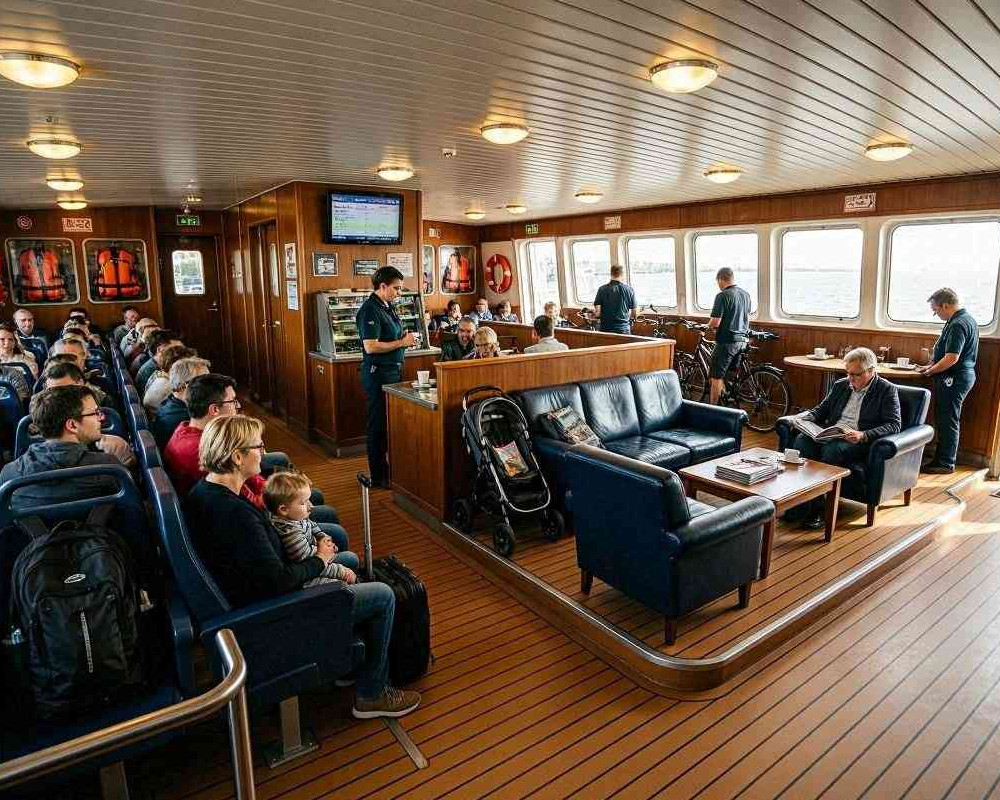
Arrival Planning for a Smoother Finish
The journey does not end when the ferry docks. Efficient arrival planning helps you avoid stress at the terminal and can indirectly preserve your comfort - because you will not rush while tired.
Know where you will go next
Before departure, confirm how you will transfer to your next destination. If you need transport, check the timing of shuttle buses, taxis, or public connections. Having a plan reduces last-minute friction.
Keep essential items within reach
During disembarkation, access to documents, chargers, and personal essentials matters. Store them in a bag that you can take with you quickly, especially if you must navigate decks or elevators.
Conclusion - Build Comfort Through Smart Decisions
A ferry journey that combines economy and comfort is achievable through deliberate planning. Choose the fare type that matches your real comfort needs, prioritize a cabin or seating strategy that supports your schedule, and manage dining and packing with efficiency. When you treat the trip as a system - ticket, onboard routine, and arrival logistics - you get a smoother experience without spending like it is a luxury cruise.