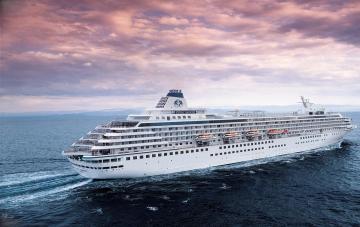
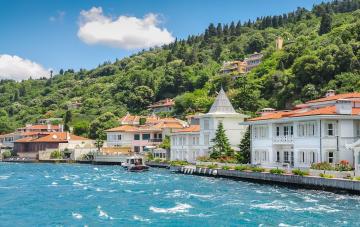
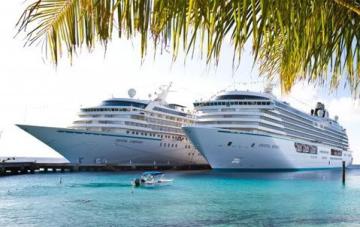
The Baltic Sea has long served as an important route connecting Northern Europe. Today, ferries traveling across the Baltic offer travelers a unique way to explore Scandinavia while enjoying the beauty of sea travel. For many tourists, including visitors from Russia, ferry routes provide a comfortable and scenic alternative to air travel.
Traveling by ferry allows passengers to experience multiple destinations in one journey while enjoying onboard entertainment, restaurants, and panoramic sea views. From historic ports to modern Scandinavian capitals, the Baltic ferry network connects some of the most fascinating cities in Northern Europe.
This article explores how ferry travel across the Baltic Sea works, why it is popular among travelers, and how visitors can prepare for an unforgettable Scandinavian adventure.
The Baltic Sea Ferry Network
The Baltic Sea hosts one of the busiest ferry networks in the world. Major ferry routes connect cities in Finland, Sweden, Estonia, Latvia, Denmark, Germany, and Poland. These routes operate year-round and transport both passengers and vehicles.
For travelers from Russia, Baltic ferries have traditionally provided access to Scandinavian destinations through nearby ports. Even today, many international tourists choose ferry travel because it offers a unique travel experience.
Some of the most popular ferry routes include:
- Stockholm – Helsinki;
- Stockholm – Tallinn;
- Helsinki – Tallinn;
- Copenhagen – Oslo;
- Stockholm – Turku;
- Gdansk – Stockholm.
These routes connect historic cities and provide travelers with the opportunity to explore several destinations during a single trip.
Why Choose Ferry Travel
Ferry travel across the Baltic Sea offers several advantages compared to other forms of transportation. Many travelers appreciate the relaxed pace of sea journeys and the opportunity to enjoy the scenery along the way.
Key reasons why people choose ferry travel include:
- comfortable overnight travel;
- beautiful sea views and coastal landscapes;
- entertainment and dining onboard;
- the ability to transport cars;
- direct connections between major cities.
For Russian travelers visiting Scandinavia, ferries can provide a memorable introduction to Nordic culture and landscapes.
Life on Board a Baltic Ferry
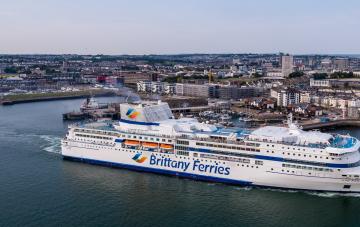
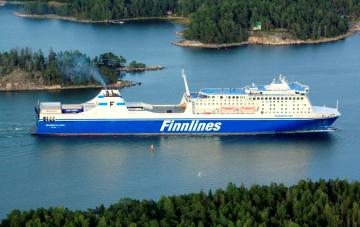
Modern Baltic ferries are more than just transport vessels. They function as floating hotels with a wide range of services designed to make the journey enjoyable.
Passengers typically have access to comfortable cabins, restaurants, shopping areas, and entertainment venues. Many ferries also include spa facilities, observation decks, and children's play areas.
Cabins and Accommodation
Passengers can choose from different types of cabins depending on their budget and travel preferences. Options usually include:
- standard inside cabins;
- sea-view cabins;
- family cabins;
- luxury suites.
Even basic cabins are designed to provide a comfortable overnight experience during longer crossings.
Entertainment and Dining
Many Baltic ferries offer a variety of dining and entertainment options. This makes the voyage itself part of the travel experience.
- buffet restaurants with Scandinavian cuisine;
- international restaurants and cafes;
- live music performances;
- nightclubs and bars;
- duty-free shopping areas.
Even short ferry journeys often include enough activities to keep passengers entertained throughout the trip.
Scandinavian Cities Accessible by Ferry
One of the biggest advantages of ferry travel across the Baltic Sea is the opportunity to visit several Scandinavian cities during a single journey. Each port offers a unique cultural and historical experience.
Stockholm
The Swedish capital is one of the most popular ferry destinations in the Baltic region. Built on a group of islands, Stockholm offers beautiful architecture, historic districts, and impressive museums.
Популярные статьи
Visitors can explore:
- Gamla Stan, the old town;
- the Royal Palace;
- the Vasa Museum;
- waterfront promenades and parks.
Helsinki
Helsinki, the capital of Finland, combines Nordic design with maritime culture. The city is known for its modern architecture, cozy cafes, and vibrant cultural life.
Travelers can visit:
- Helsinki Cathedral;
- Market Square by the harbor;
- Suomenlinna sea fortress;
- modern design districts.
Tallinn
Tallinn is one of the best-preserved medieval cities in Europe. Its historic old town, cobblestone streets, and ancient towers attract travelers from all over the world.
Popular attractions include:
- the medieval city walls;
- Toompea Castle;
- historic merchant houses;
- traditional Baltic restaurants.
Preparing for a Baltic Ferry Trip
Although ferry travel is relatively simple, proper preparation helps ensure a smooth and enjoyable journey.
Before boarding a ferry, travelers should prepare the following:
- valid passport and travel documents;
- tickets and booking confirmation;
- comfortable clothing for the voyage;
- basic travel insurance;
- a small bag with personal essentials.
Passengers traveling with vehicles should also check the ferry company's specific requirements for car transport.
Seasonal Considerations
The Baltic Sea region experiences strong seasonal changes. Summer is the most popular time for ferry travel because of the long daylight hours and mild weather.
However, winter cruises can also be unique. Travelers may witness frozen sea landscapes, snow-covered islands, and the quiet atmosphere of Nordic winters.
Seasonal factors to consider include:
- weather conditions;
- daylight hours;
- tourist crowds in summer;
- special holiday events during winter.
Each season offers its own distinctive travel experience.
Tips for First-Time Ferry Travelers
If you are planning your first Baltic ferry trip, a few practical tips can make your journey more enjoyable.
- arrive at the port early for boarding procedures;
- bring a camera to capture sea views;
- explore the ship’s observation decks;
- check the onboard schedule for events;
- plan your time at each port in advance.
Following these tips helps travelers make the most of their ferry adventure.
Conclusion
Traveling across the Baltic Sea by ferry is one of the most memorable ways to explore Northern Europe. The journey itself becomes part of the adventure, offering beautiful sea views, comfortable accommodation, and exciting onboard experiences.
For travelers from Russia and other countries, Baltic ferry routes provide access to some of Scandinavia’s most fascinating cities. Whether visiting Stockholm, Helsinki, or Tallinn, passengers can enjoy a unique combination of sea travel and cultural exploration.
With proper planning and an open spirit of adventure, ferrying across the Baltic Sea can become an unforgettable journey through one of Europe’s most scenic regions.